Nobel Economics 2026: Robert Hall and Michael Woodford Win for Stabilisation Research
STOCKHOLM: The Royal Swedish Academy of Sciences on Monday awarded the 2026 Nobel Prize in Economics to American professors Robert E. Hall and Michael Woodford for their work on the “microeconomic foundations of macroeconomic stabilisation”. The prize is the final Nobel of the 2026 season.
Hall, a professor at Stanford University, and Woodford, a professor at Columbia University, will share 12 million Swedish kronor, about 1.2 million US dollars. Their models use insights from how households and businesses make decisions to help central banks and governments respond to shocks such as energy crises or sudden changes in consumer spending.
“The laureates have helped us smooth out the economy’s peaks and troughs,” the academy said in its statement. John Hassler, chair of the prize committee, said their work gives policymakers “a stable theoretical foundation for the models that are now used by central banks and governments around the world”.
Woodford, 70, told the announcement news conference that authorities should not treat economic stabilisation as simply pulling levers, because households and businesses are forward-looking when they decide how much to save or how to set prices. Hall was praised for a 1978 article showing consumers prefer to keep spending stable when their income changes.
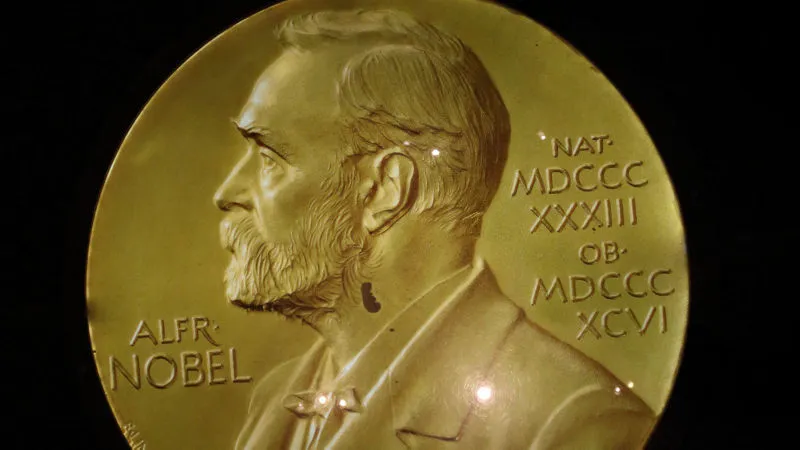
The economics prize is formally the Sveriges Riksbank Prize in Economic Sciences in Memory of Alfred Nobel. It is not one of the original five prizes in Nobel’s will but was created by Sweden’s central bank and first awarded in 1969. Last year’s winners, Joel Mokyr, Philippe Aghion and Peter Howitt, won for work on how innovation drives growth.